In 1983 I spent about one and a half month in Lindos, on the island of Rhodes, teaching weaving to a group of 20 students. I still remember my stay there, the hospitality of these women and their families. The sage tea brought to my apartment when I got a very bad cold, being invited every day for lunch to their homes, eating home made dolmathakia (stuffed vine leaves), their traditional food and one of my favourite!
It was winter, January and February. At the end of January I was going around Lindos wearing short sleeves. In February it suddenly snowed and many of the students had never seen snow in their lives. It never snowed in Lindos!
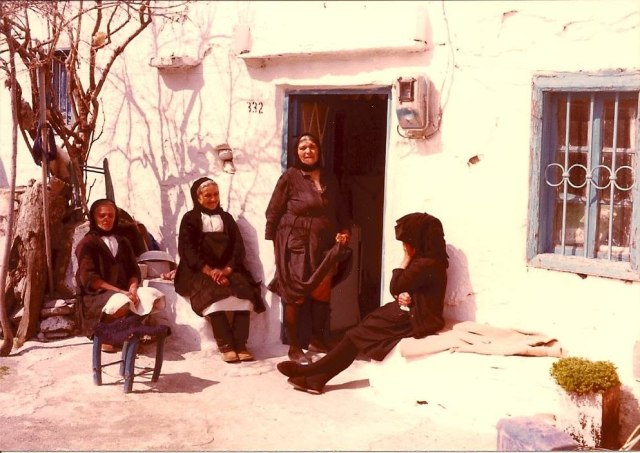
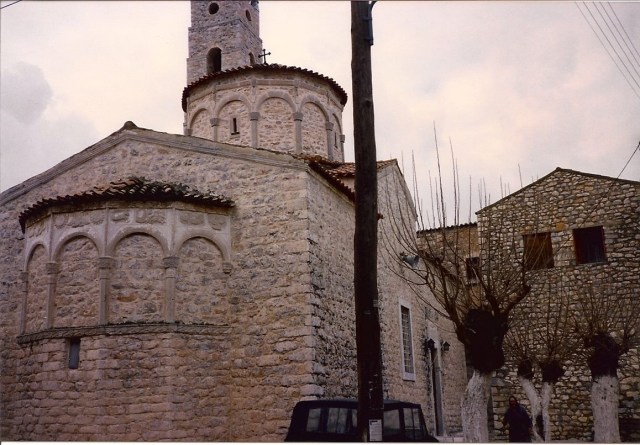
I had talked about my interest in traditional dress and architecture so they drove me to Embonas, a mountain village with no tourism at all at the time, unlike Lindos which was already a very touristic place. There, older people were still wearing their traditional dress, every day.
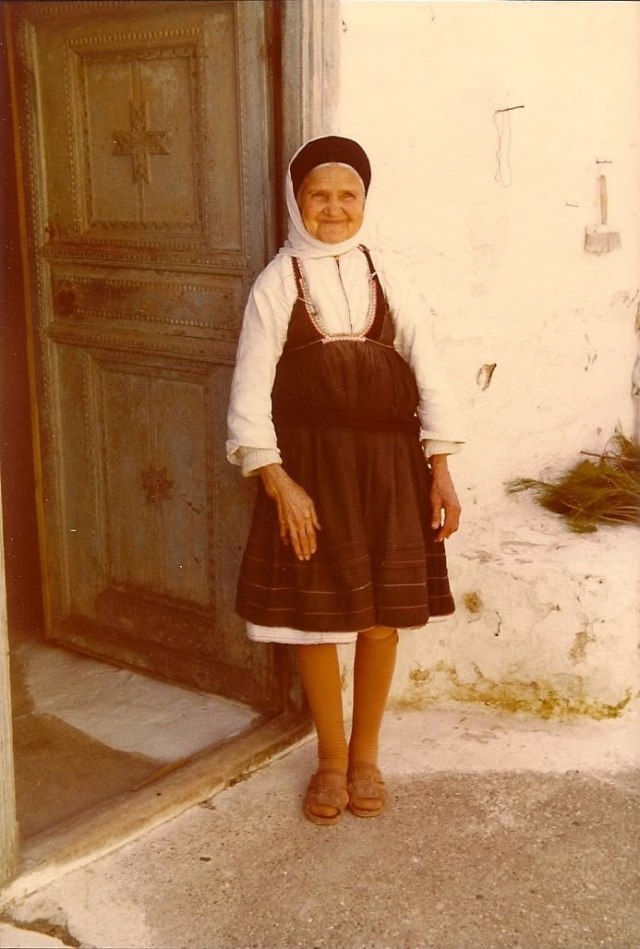
We visited the house of an older lady. That house was exactly as most houses had been in the past, with a “panga” (raised platform for sleeping on, the space below for storage) and decorated with many porcelain and ceramic plates hanging on the walls, brought from different parts of the world by the seafarers. Very impressive and common in most of the Dodecanese islands, which Rhodes is part of.
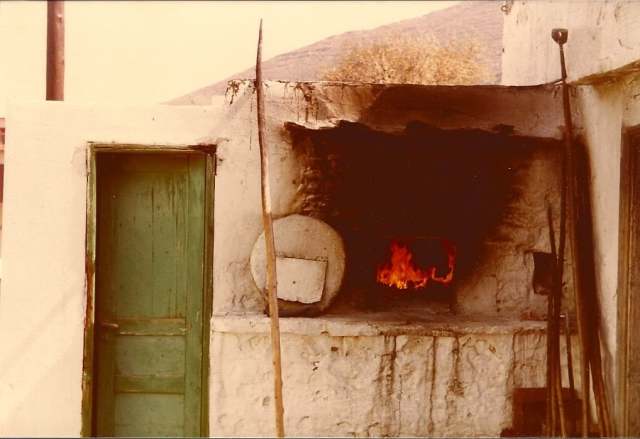
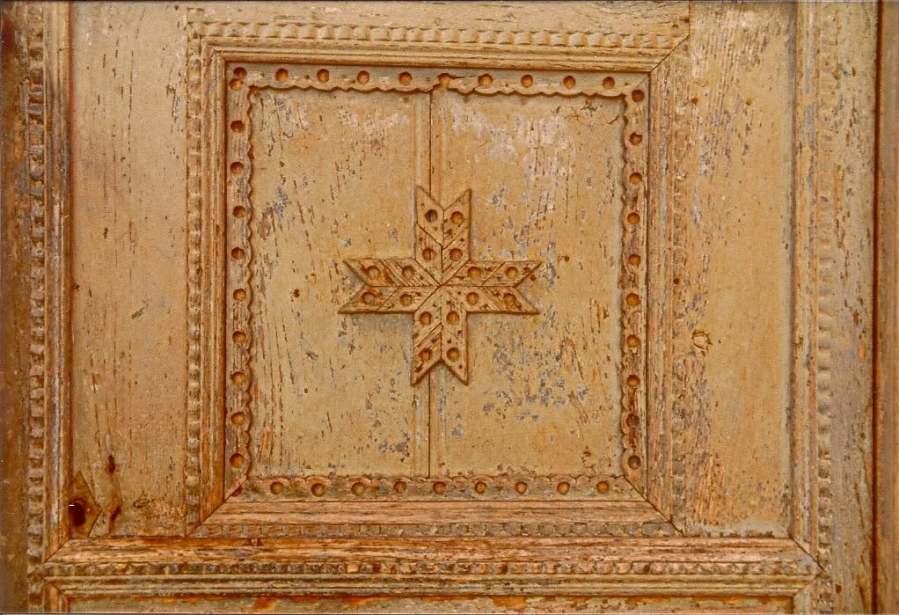
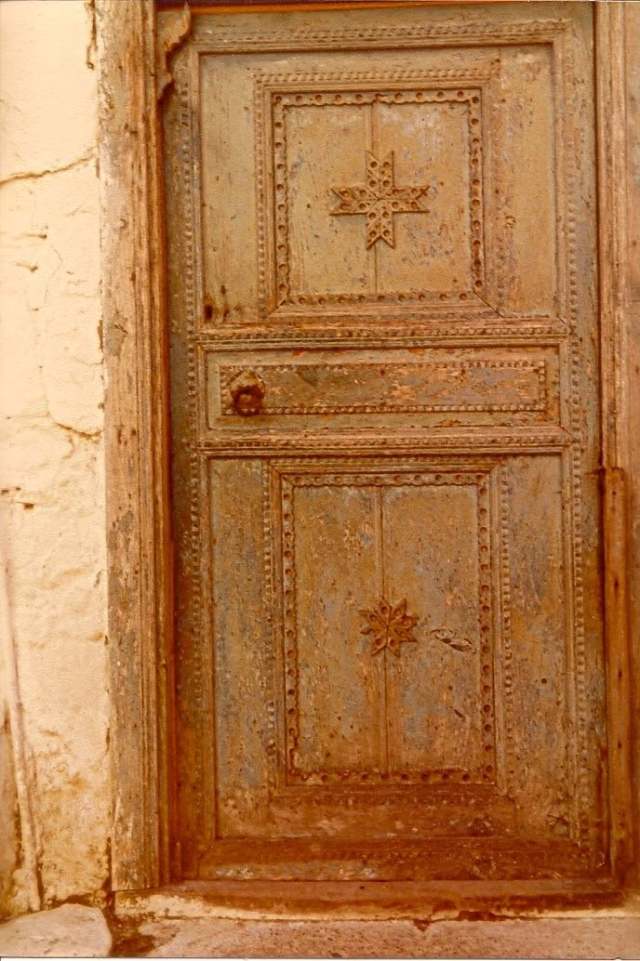
The house was filled with trays of loaves of kneaded dough, covered with blankets to rise before baking. The wood-fired oven was lit, getting ready to receive the bread. What really impressed me was the smiling lady, although we were intruding into her space while she was busy. Also, the entrance door made of “embroidered” wood!
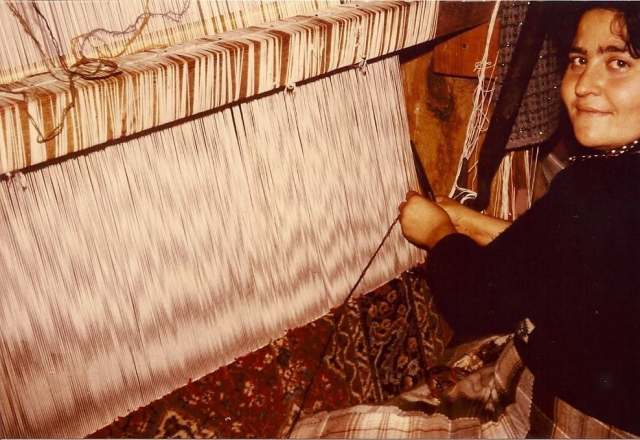
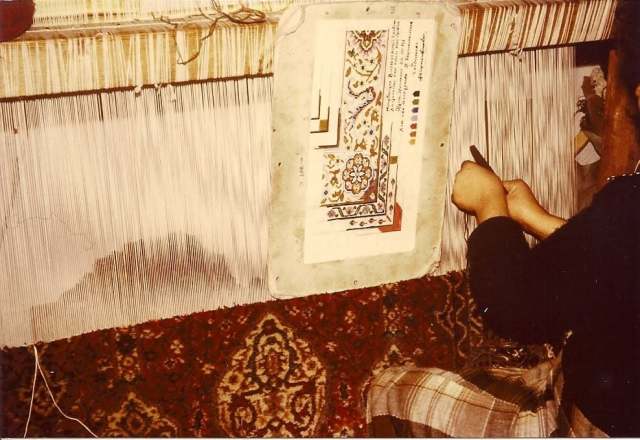
We also visited a knotted pile carpet weaving workshop where two weavers worked side by side. One had her finger bandaged.
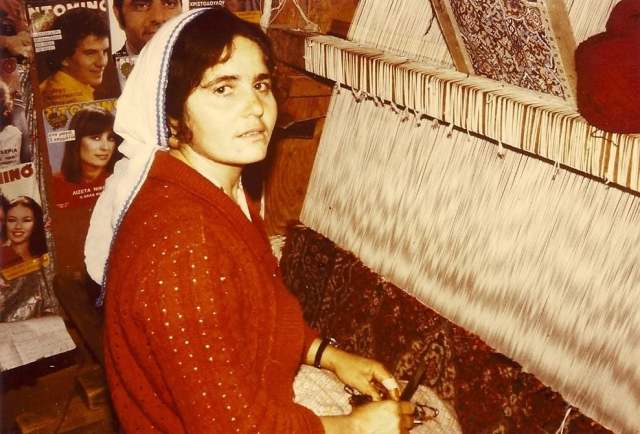
In carpet weaving we use knives which have a rather thick handle to make it easier to hold and cut the pile. But these women were using kitchen knives sharpened so many times that the blade had become thinner. The reason was that at the time all carpet weavers were paid by the number of knots, not the hours of work. Payment was ridiculously low. So, the knives used had to cut the wool as fast as possible, but sometimes they were cutting more than just the wool.
When I left Lindos for Athens I had to send by mail two boxes of things that did not fit into my suitcase. They were gifts from my students, bunches of wild sage, pastelia made by them – the traditional sweet offered in weddings made of sesame seeds, embroideries of which Rhodes was famous, and some old weavings!